
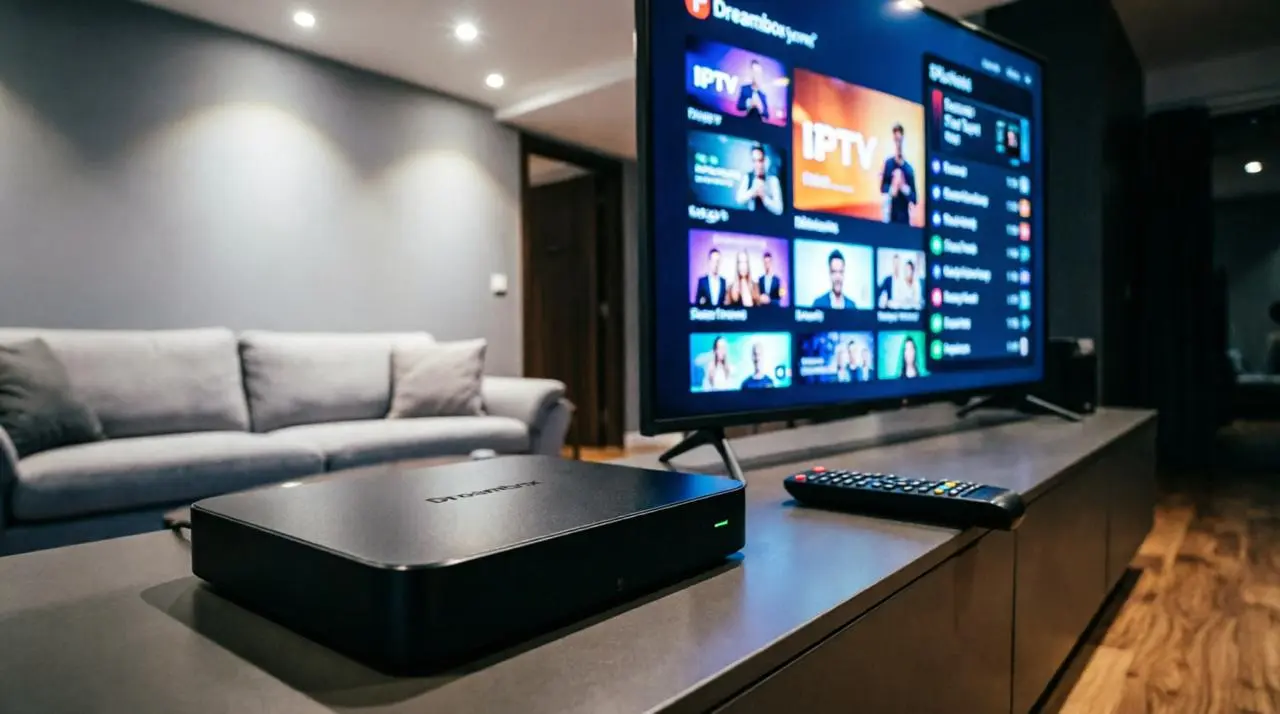
Introduction to IPTV
IPTV, or Internet Protocol Television, is a cutting-edge technology that radically transforms how audiences access television content. Unlike traditional methods such as satellite or cable systems that rely on fixed broadcast frequencies, IPTV delivers television programming through internet protocols. This approach allows viewers to watch content on a wide variety of devices, including smart TVs, computers, tablets, and smartphones, thereby facilitating convenience and enhancing user experience.https://iptvsmartstv.com/
The core mechanism of IPTV operates by transmitting video and audio streams over the internet. This is achieved through a series of complex processes involving encoding and streaming of audiovisual content, which ensures that viewers receive high-quality programming without the geographical restrictions often associated with traditional broadcasting systems. Technologies such as Video on Demand (VoD), Time Shifted TV, and Live TV streaming all play crucial roles in the functionality of IPTV. Furthermore, the integration of multimedia services, such as interactive applications, enhances the viewing experience, allowing users to engage with the content effectively.
As the demand for on-demand content escalates, the significance of IPTV within the modern media landscape has increased substantially. The flexibility of IPTV allows service providers to offer tailored viewing experiences, accommodating diverse viewer preferences. IPTV professional services are rapidly gaining traction, responding to this shift by providing robust solutions that meet the evolving expectations of consumers. This paradigm shift is not merely a passing trend; it represents an enduring adaptation of how audiences engage with media, making IPTV a pivotal component of contemporary broadcasting and content distribution strategies. As the technology continues to evolve, its importance in defining the future of television cannot be overstated.contact@iptvsmartstv.com
Benefits of IPTV
In recent years, the rise of IPTV (Internet Protocol Television) has transformed the way people consume television content. Unlike traditional broadcasting services, IPTV offers a plethora of benefits that appeal to a wide range of viewers. One of the most notable advantages is the flexibility in viewing, allowing users to access on-demand content whenever they like. This means that viewers can enjoy their favorite shows and movies without being constrained by conventional broadcast schedules.
Cost-effectiveness is another significant factor that makes IPTV an attractive option. With numerous subscription tiers and packages, users can select a plan that best fits their budget and viewing preferences. In many cases, IPTV services can offer a more extensive selection of channels at a lower price compared to traditional cable or satellite providers, which is particularly appealing in today’s economy.
Moreover, IPTV is renowned for its enhanced picture quality, providing higher resolution and clearer images compared to standard television broadcasts. This high-definition content is made possible through advanced compression technologies and higher bandwidth availability, enabling a superior viewing experience that many traditional services struggle to match.
Furthermore, IPTV caters to niche markets, enabling viewers to find specialized content that aligns with their interests and cultural backgrounds. With channels from different regions around the world, users can easily access programming that is culturally relevant to them or explore programming from new regions altogether. This level of customization allows IPTV services to cater to diverse preferences, making it a compelling choice for audiences seeking a tailored entertainment experience.
Types of IPTV Services
IPTV services can be categorized into several distinct types, catering to various consumer preferences and viewing habits. Understanding these categories is crucial for selecting the best service that aligns with an individual’s entertainment needs.http://wa.me/447916696718
First and foremost, we have Live TV services. This type allows users to stream television channels in real-time, replicating the experience of traditional cable or satellite television. Subscribers can enjoy watching live sports, news, and events as they happen. This service is ideal for individuals who want to stay current with live programming without the need for a conventional TV subscription.
Next, Video on Demand (VOD) is a popular offering within IPTV. VOD services allow viewers to choose and watch video content at their own convenience. Popular platforms like Netflix exemplify this model, providing an extensive library of films, series, and documentaries that can be accessed anytime. Users benefit from the flexibility that VOD provides, catering to diverse viewing schedules and preferences.
Additionally, Time-Shifted Media allows consumers to watch content after it has originally aired. This service enables viewers to pause, rewind, or fast-forward through programming. It is particularly useful for those with busy lifestyles who may not be able to watch a show live but still wish to view it at a later time.
Lastly, Catch-Up TV services provide access to recent broadcasts that viewers may have missed. This type allows users to watch previously aired content within a set period, ensuring they do not miss out on their favorite shows. Services that offer this typically archive content for a few days or weeks after it airs, further enhancing the consumer’s viewing experience.
In summary, the diversity of IPTV services, including Live TV, VOD, time-shifted media, and catch-up TV, ensures that users can find a solution that fits their unique viewing habits. Each type provides distinct advantages, demonstrating the versatility and value of IPTV professional services in today’s media landscape.
IPTV vs. Other Streaming Services
In the rapidly evolving landscape of digital entertainment, the comparison between IPTV and other streaming services such as Netflix, Hulu, and traditional satellite/cable TV is crucial for understanding the current viewing options available to consumers. IPTV, or Internet Protocol Television, differentiates itself by delivering television programming via the internet, as opposed to conventional methods that rely on broadcast signals or satellite transmission.
One of the primary distinctions lies in the subscription models these services offer. IPTV typically provides a variety of packages that cater to different content needs, often including live television channels, which are not as readily available or as comprehensive in services like Netflix and Hulu. While the latter focus primarily on on-demand content, thereby limiting live television broadcast, IPTVs are equipped to provide real-time access to events, enhancing the user experience especially for sports, news, and live shows.
Moreover, when it comes to content access, IPTV platforms often feature a broader array of channels, including international options that traditional cable and satellite TV might not accommodate. This variety makes IPTV an attractive choice for viewers seeking localized programming alongside global content. In contrast, streaming giants such as Netflix and Hulu are known for their original series and movies, yet may face limitations in live or niche content.http://wa.me/447916696718
The user experience also varies significantly; IPTV services often allow for features such as dynamic channel switching and electronic program guides that resemble those of traditional TV, whereas other streaming services prioritize algorithm-driven suggestions and user-generated playlists. This tailored viewing approach provided by IPTV can be especially appealing for households where live viewing remains a priority.
In conclusion, while IPTV offers an innovative alternative that meets specific viewing needs, traditional streaming services serve their own unique purposes through on-demand content. Both options hold significant value, depending on the preferences and viewing habits of the audience.
Setting Up IPTV at Home
Setting up an IPTV service at home involves several key components, starting with the right hardware. To enjoy IPTV professionally, one needs devices such as a compatible set-top box, a smart TV, or streaming devices like Amazon Fire TV Stick or Roku. Ensure that your device supports IPTV applications, as this will facilitate smoother streaming of channels and content.
Once the hardware is in place, the next step is selecting an appropriate IPTV provider. It is crucial to choose a reputable service that offers a comprehensive channel lineup, good video quality, and customer support. Reviews and comparisons can help identify the best options according to individual viewing preferences. After selecting a provider, subscribe to their service and obtain the necessary login credentials.
The installation process typically begins with connecting your set-top box or streaming device to your television and the home internet network. Make sure your internet connection is stable and has adequate bandwidth to handle streaming. Next, download the IPTV app provided by your service provider, or access it via the device’s interface. Enter the login credentials to gain access to the service. In some cases, additional settings may be required within the app to optimize performance.
Solving common issues is part of setting up IPTV professionally. If you experience buffering, consider upgrading your internet speed or reducing the load on your network. Grains or pixelation in the video quality may indicate a poor connection or an overloaded server from the IPTV provider. Always ensure that your firmware and app are up to date to leverage the best performance and latest features.
Legal and Regulatory Aspects of IPTV
The legal landscape surrounding IPTV services is multifaceted, requiring consumers and providers alike to navigate various laws and regulations. Primarily, copyright laws play a critical role in determining what content can be legally distributed through IPTV channels. These laws are designed to protect the intellectual property rights of content creators and owners, ensuring that the distribution of television shows, movies, and other media complies with established regulations.http://wa.me/447916696718
In many jurisdictions, IPTV providers must obtain licenses to stream content legally. These licensing agreements typically involve negotiations with content rights holders, ranging from television networks to film studios. Failure to secure such licenses can lead to severe penalties, including legal action. Consequently, consumers should be cautious when selecting an IPTV service, ensuring that the provider has the necessary rights to distribute its programming. Engaging with unauthorized IPTV services can expose viewers to risks, including exposure to pirated content, which is illegal and can result in legal repercussions for the user.
Furthermore, regulatory bodies in various regions, such as the Federal Communications Commission (FCC) in the United States, oversee IPTV services to ensure compliance with broadcast standards and consumer protection laws. These regulations may impose requirements on IPTV services regarding consumer transparency, data protection, and fair business practices.
To ensure that viewers access legal content, it is crucial to research IPTV providers before subscribing. Reviewing the service’s licensing agreements, understanding regional laws regarding content access, and validating the legitimacy of the service can mitigate risks associated with unauthorized content. By remaining informed and cautious, consumers can enjoy the benefits of IPTV while complying with relevant legal standards.
Content Providers and Partnerships in IPTV
The success of IPTV services heavily relies on the synergy between various content providers and service providers. Broadcasters, including television networks, film studios, and independent creators, play an essential role in developing the diverse offerings available on IPTV platforms. Their relationships with IPTV providers ensure a steady feed of high-quality content, which is pivotal for attracting and retaining subscribers in a competitive landscape.
One of the key aspects of these partnerships is licensing agreements. Content creators and broadcasters negotiate terms allowing IPTV platforms to stream their shows, movies, and other programming. Such agreements can vary significantly in scope and scale, ranging from national to international reach. This variability enables IPTV services to curate a diverse library, catering to a wide array of viewer preferences across different demographics. As a result, subscribers gain access to an extensive range of entertainment options, increasing the overall value of the service.
Additionally, the evolution of over-the-top (OTT) content has transformed traditional broadcasting dynamics. IPTV services often partner with new and emerging digital content creators, allowing them to showcase niche programming that may not reach mainstream networks. This collaboration not only enriches the content library available to viewers but also creates opportunities for diverse voices and innovative programming. Most IPTV professionals prioritize such partnerships, recognizing their importance in providing an expansive and varied user experience.
In conclusion, the relationships formed between content providers and IPTV services are crucial in shaping the offerings and accessibility of digital content. These collaborations foster a dynamic ecosystem that benefits both the providers and the subscribers, solidifying IPTV’s place as a leading provider of entertainment in today’s digital age.
Future Trends in IPTV Technology
The landscape of IPTV technology is rapidly evolving, with significant advancements anticipated in the coming years. One of the most promising developments is the integration of 5G networks. The deployment of 5G is expected to revolutionize the delivery of IPTV services by offering higher bandwidth and lower latency. This enhanced connectivity will facilitate smoother streaming experiences, enabling users to access high-definition content instantly without buffering issues, thus significantly improving overall satisfaction.
Additionally, there is a growing trend towards interactive content. IPTV professionals are increasingly focusing on creating engaging viewing experiences that allow users to participate actively rather than passively consuming content. This includes features such as real-time polling, gamification, and multi-screen interactions that can enhance user engagement and expand the ways in which audiences interact with programming. As expectations evolve, so too will the capabilities of IPTV offerings in providing rich interactive experiences.
The use of artificial intelligence (AI) is another cornerstone of future IPTV advancements. AI is set to play a crucial role in personalizing viewing experiences. With sophisticated algorithms, IPTV platforms can analyze viewing habits and preferences, delivering content recommendations that are precisely tailored to individual users. This not only improves user satisfaction but also maximizes content discovery, helping consumers find new shows or channels that align with their tastes effortlessly. The incorporation of AI into IPTV is expected to streamline content delivery and optimize user experiences, further cementing the technology’s role in modern media consumption.
As these trends take shape, the IPTV industry will undergo significant transformations. The advent of 5G, the rise of interactive content, and advancements in AI will collectively shape the future of how content is delivered and consumed. IPTV professionals must stay attuned to these developments to remain competitive and meet the evolving demands of viewers.
Conclusion and Final Thoughts on IPTV
In conclusion, the expanding realm of Internet Protocol Television (IPTV) signifies a paradigm shift in how media is consumed today. Throughout this guide, we have explored various aspects of IPTV, highlighting its definition, technological underpinnings, and the services available to consumers. As traditional broadcasting methods face challenges from digital innovation, IPTV emerges as a robust solution, offering flexibility and a personalized viewing experience.
In the landscape of media consumption, IPTV allows users to access a vast array of channels and content, often at a more competitive price compared to conventional cable services. The ability to stream shows, movies, and live broadcasts over the internet means audiences are no longer tethered to the rigid schedules set by traditional networks. Instead, viewers can curate their entertainment choices, aligning with their preferences and lifestyles.
The importance of understanding IPTV is crucial for consumers seeking the best viewing experience. With the rapid growth and evolution of IPTV technologies, staying informed about the latest developments ensures users can take full advantage of the opportunities available. Additionally, knowing which IPTV professional services or providers align with personal or household needs can optimize viewing experiences, bringing forth various entertainment options.
Ultimately, IPTV offers a glimpse into the future of broadcasting, and as it continues to evolve, consumers stand to benefit greatly. By embracing IPTV, viewers can unlock a more dynamic and diversified approach to their media consumption, which not only enhances entertainment but also fosters a more engaging viewing environment. Understanding and utilizing these services effectively will allow consumers to navigate the modern television landscape with confidence.